
 Français
 English
 Español
 Italiano
 Deutsch
 Nederlands
 Português PT
Reference: MT-REF-335
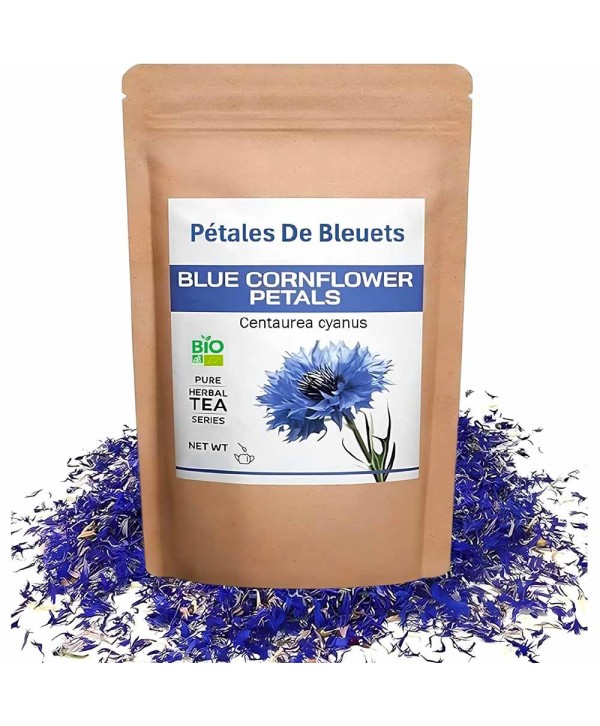
Have you ever noticed those splashes of blue that sometimes brighten up our fields and meadows? Centaurea cyanus, better known as the cornflower, is a multifaceted plant. Not only does it add aesthetic appeal to our landscapes, but it also plays an important ecological role. Belonging to the Asteraceae family, this plant has a history rich in meaning and diverse uses. In this article, we will explore the various aspects of Centaurea cyanus, from its biology to its current uses.
Centaurea cyanus is easily recognizable thanks to its bright blue petals, which stand out clearly in nature. This almost electric color catches the eye and exudes a certain rustic charm. Although often described as an annual plant, it can also be biennial depending on climatic conditions and agricultural practices. It particularly thrives in cool, well-drained soils, which explains its proliferation in certain environments rather than others.
It is a messicolous plant, meaning it thrives among cereal crops. Originally considered a field weed, its visual appeal and ecological value have earned it a special place among gardeners and wildflower enthusiasts.
Centaurea cyanus typically grows to a height of 20 to 90 centimeters. Its slender, slender stem bears lanceolate leaves, often pubescent, which contribute to its distinctiveness. The flower heads consist of numerous small flowers, surrounded by pale green bracts edged with small black cilia. These characteristics make the cornflower not only beautiful but also unique.
The life cycle of Centaurea cyanus begins with the germination of its seeds, usually in the spring. Its abundant flowering follows, beautifying the fields between May and July. After flowering, the plant produces fruits called achenes, which contain the seeds. This process allows the plant to self-seed naturally, thus ensuring its perpetuation.
Beyond its aesthetic beauty, the cornflower has a significant impact on the local ecosystem. As a field weed, it has long been viewed as a nuisance by farmers. However, the presence of this species is essential for maintaining biodiversity, particularly in intensively farmed lands.
Centaurea cyanus provides a valuable source of nectar for several species of pollinating insects, such as bees, butterflies, and certain species of beetles. Maintaining these animal populations is crucial for the pollination of nearby agricultural crops, making the cornflower indispensable for a sustainable and balanced agricultural ecosystem.
For farmers seeking to adopt organic or sustainable farming practices, the cornflower can be very useful. Thanks to its root system, it helps stabilize the soil while promoting better water penetration. Additionally, its ability to attract pollinators helps boost the yields of nearby crops.
Historically, the cornflower was not only appreciated for its beauty. It also had medicinal and symbolic uses. Used to make decoctions or infusions, it was recommended to soothe eye inflammation, hence its nickname "eye herb."
In many European cultures, the cornflower is often considered a symbol of remembrance. In France, it specifically commemorates veterans, as it is worn every November 11. This emotional and historical significance adds an extra dimension to this already remarkable flower.
Today, Centaurea cyanus continues to be used in various fields. In cosmetics, it is prized for its soothing and anti-itching properties. It is found in products designed for sensitive and irritated skin. Cornflower seeds, meanwhile, are incorporated into food blends for their nutritional and natural benefits.
For those who wish to welcome this magnificent plant into their home, here are some useful tips for growing Centaurea cyanus. Preferring cool, well-drained soil and full sun, the cornflower requires little maintenance and is highly drought-tolerant.
During the blooming period, regularly remove spent flowers to stimulate the production of new flower buds. This will encourage more abundant and prolonged blooming.
Cornflowers prefer cool, well-drained soil. They should be planted in a sunny spot to encourage abundant blooming. Although drought-tolerant, moderate and regular watering will help the plants thrive.
Yes, historically, Centaurea cyanus has been used to treat eye inflammation thanks to its soothing properties. Today, it is also used in certain cosmetic products for its skin-soothing effects.
As a source of nectar, the cornflower attracts and feeds various pollinating insects such as bees and butterflies. These insects play a vital role in cross-pollination, which is essential to the overall health of agricultural ecosystems.
Vetiver stalks, also known as "khamaré," come from the plant Vetiveria zizanioides, a tropical grass native to India.
Ingredients listed in order of composition: Red clover + raspberry + chaste tree + Jericho rose (chajarat mariam).
Directions for use: Bring 1.5 liters of water to a simmer and steep 20 g of the herbal blend for about ten minutes or longer. Drink one cup in the morning on an empty stomach and one cup before bedtime. For a single 250 ml mug of water, add about one tea ball of the mixture (3 or 4 g).
Use for 1 to 3 months, even during menstruation, as it helps rebuild the uterine lining and regulate the cycle.
Store in a cool, dry place away from light. 100-g bag / allow 2 bags for a course of treatment
Enjoy the full quality of Tahara musk from the Saudi brand Surrati, the renowned perfumer based in Mecca.
Recommendations:
Acai berry powder is becoming increasingly popular among health-conscious consumers. Native to the Amazon, this small, vibrantly colored fruit has been recognized for centuries for its exceptional nutritional properties.


