 Français
 English
 Español
 Italiano
 Deutsch
 Nederlands
 Português PT
Reference: MT-REF-351
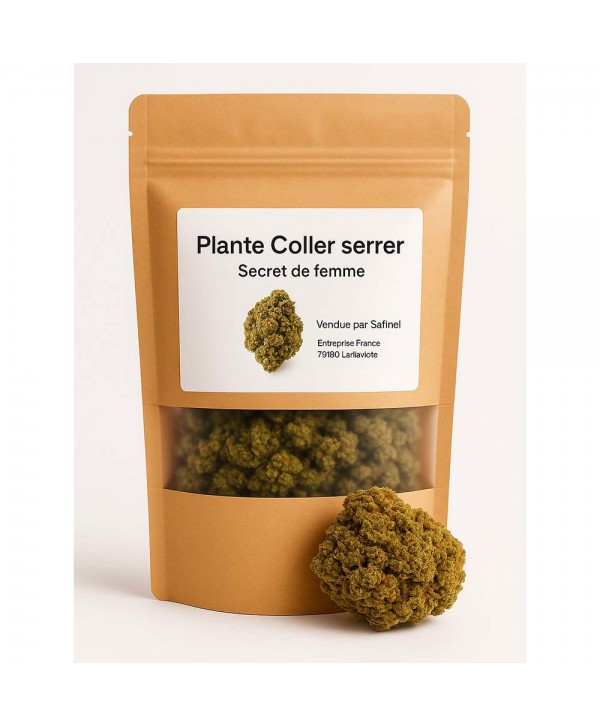
The collé serré plant is often overlooked despite its exceptional benefits. Native to West Africa, this exotic plant has a wide range of uses, from feminine hygiene to its well-known aphrodisiac properties.
Today, let’s explore together the many benefits and uses of this fascinating plant.
The collé serré plant gets its name from the popular expression "coller serrer," which refers to its ability to bring organic tissues together. Native primarily to West Africa, it grows in tropical forests where the humid climate supports its growth.
This plant is characterized by its broad leaves and a distinct scent that makes it easily recognizable. In Africa, it has been used for generations in various traditional preparations for its health benefits.
This exotic shrub has inconspicuous but fragrant flowers that often attract many pollinators. Its sap is sticky, which partly explains its intriguing name. Traditional healers use every part of the plant—whether the leaves, roots, or seeds—to concoct various forms of natural remedies.
Botanically speaking, it belongs to the Fabaceae family, known for its nitrogen-rich species, which naturally enrich the soil where it grows. This also contributes to the surrounding biodiversity, helping other plants thrive.
Traditionally, the collé serré plant is prized for its central role in women’s intimate care. It is often included in bridal preparation rituals, reinforcing the idea of closeness and bonding between partners. This widespread use produces an effect similar to that of astringent properties.
With the evolution of modern attitudes toward wellness and personal hygiene, demand for this plant has expanded beyond cultural practices. Today, it is found in various cosmetic and intimate hygiene products thanks to its remarkable beneficial effects.
To enjoy the benefits of the collé serré plant, several preparation methods are commonly used:
Infusion: the leaves are steeped in hot water to extract their therapeutic properties. This beverage is then consumed as is or used externally.
Decoction: More concentrated than an infusion, a decoction involves boiling parts of the plant, allowing for a more intense extraction of active compounds.
Fumigation: traditionally used in ritual ceremonies, fumigation involves burning the dried leaves to release beneficial smoke used in various body treatments.
The use of the collé serré plant in feminine intimate care relies largely on its astringent properties. These help firm and tone the tissues, thereby creating a greater sense of comfort and confidence for many women.
Additionally, its role as a natural adjuvant is common in certain African traditions. It helps maintain vaginal pH balance, reducing the risk of infections while promoting healthy bacterial flora.
Beyond its intimate applications, the mystical power of collé serrer also lies in its well-documented aphrodisiac properties. Often used to increase sexual desire, it is used in the creation of potions and elixirs believed to revitalize one’s love life.
Reimagined in a contemporary context, this particular virtue now sparks interest among both men and women seeking to revitalize their daily relationships.
The harvesting and commercialization of the collé serré plant have a significant impact on local economies in West Africa. Its trade creates jobs and provides stable income for those living in harvesting regions.
However, this growing popularity also creates a critical need to develop sustainable practices for harvesting this precious resource. Preserving ecological balance while meeting global demand represents a constant challenge for local producers.
It is commonly used for its benefits in feminine intimate care, as an aphrodisiac, and for its medicinal properties such as improving tissue tone. It is found in the form of infusions, decoctions, and fumigations.
Tissue firming
Natural aphrodisiac
Vaginal pH balancing
It is generally available at specialty herbal shops, West African markets, or through certain online retailers specializing in natural products. Be sure to verify the source to ensure its quality and sustainability.
Cultivating this plant enriches the soil thanks to its natural ability to fix nitrogen, thereby improving the fertility of the surrounding land. This not only promotes local biodiversity but also contributes to sustainable development in its traditional growing regions.
| Benefits | Description |
|---|---|
| Nitrogen fixation | Improves soil fertility |
| Biodiversity | Supports local ecosystems |
Before starting any use, it is advisable to consult a healthcare professional, especially for internal applications. It is also important to follow the recommended dosages to avoid potential adverse reactions.
Fragrance notes:
Top notes: Fruity notes, Orange.
Middle notes: White flowers.
Base note: Musk. Gender: Unisex.
Enjoy the full quality of Tahara musk from the Saudi brand Surrati, the renowned perfumer based in Mecca.
Ingredients listed in order of composition: Red clover + raspberry + chaste tree + Jericho rose (chajarat mariam).
Directions for use: Bring 1.5 liters of water to a simmer and steep 20 g of the herbal blend for about ten minutes or longer. Drink one cup in the morning on an empty stomach and one cup before bedtime. For a single 250 ml mug of water, add about one tea ball of the mixture (3 or 4 g).
Use for 1 to 3 months, even during menstruation, as it helps rebuild the uterine lining and regulate the cycle.
Store in a cool, dry place away from light. 100-g bag / allow 2 bags for a course of treatment
The miracle berry intrigues and captivates with its extraordinary qualities. This red fruit, native to West Africa, transforms the taste experience with astonishing effectiveness. Renowned for its ability to alter the flavor of food, this small berry appeals to both the curious and those seeking a natural alternative to sugar.
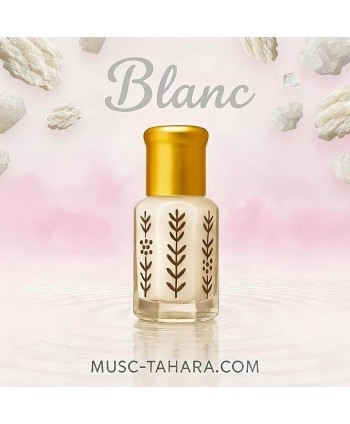
Considered the king of perfumes, white musk is easily recognizable by its exceptional and long-lasting scent. Its incomparable fragrance, snow-white color, and cotton-like texture are key reasons why this precious gem is so popular among women in the Middle East.
Fragrance notes:
Top note: Green
Middle notes: Rose, Violet
Base notes: Amyris, Cedarwood, White musk, Vanilla
Gender: Unisex.
Enjoy the full quality of Tahara musk from the Saudi brand Surrati, the renowned perfumer based in Mecca.
Directions:
Steep 1 tbsp. (approx. 4 g) in 250 ml of hot water for 5 to 10 minutes.
Drink 1 to 2 cups per day. Course of treatment: 2 weeks, repeatable after a break.
Soft and creamy with a delightful aroma, Tahara Vanilla-Scented Musk is a unique and natural musk that deserves special attention.
The collé serré plant is often overlooked despite its exceptional benefits. Native to West Africa, this exotic plant has a wide range of uses, from feminine hygiene to its well-known aphrodisiac properties.