 Français
 English
 Español
 Italiano
 Deutsch
 Nederlands
 Português PT

Reference: MT-REF-325
Africa, the cradle of humanity and a continent of exceptional botanical diversity, is home to a multitude of medicinal and aromatic plants. Among them stands out the "king of herbs." This plant, renowned for its many benefits, is not only used in cooking but also possesses medicinal properties that have been passed down through generations.
Across the vast expanse of the African continent, the king of herbs has firmly established its presence. Many are unaware that this plant is not only a culinary treasure but also has a rich history deeply intertwined with local cultures.
The earliest uses of the king of herbs date back several centuries. Indigenous African tribes quickly discovered the benefits of this herb. Used for its healing properties, it was often incorporated into various medicinal preparations to treat many common ailments.
The king of herbs is distinguished by its physical characteristics and specific requirements for growing properly in natural or controlled environments.
This shrub can reach a moderate height and develops broad leaves, often a deep green. Its sturdy roots allow it to withstand harsh climatic conditions, typical of certain African regions.
To grow to its full potential, the king of herbs requires:
Well-drained soil rich in organic matter
Partial to full sun
Regular watering without excess moisture
The fame of the king of herbs extends far beyond Africa’s borders thanks to its indispensable presence in many exotic recipes.
In Africa, each region has its own unique way of incorporating the king of herbs into local cuisine. Here are a few examples:
Spicy soup with aromatic leaves
Traditional vegetable curry
Grilled meats marinated with extracts of the king of herbs
Although basil is considered a culinary masterpiece in many cuisines around the world, the king of herbs holds its own thanks to its distinctive aroma and rich flavors. Compared to basil, it offers a more complex and deep flavor profile, appreciated by chefs who seek authentic gastronomic experiences.
The king of herbs is a veritable green pharmacy thanks to its many therapeutic properties.
Many African communities have used this plant to treat various ailments for generations. It acts primarily as:
Natural anti-inflammatory
Fever reducer
Remedy for digestive infections
With the rise of alternative and natural medicine, the king of herbs is gradually being incorporated into modern dietary supplements, providing essential nutrients while supporting the immune system and digestion.
Faced with growing global demand, many regions outside of Africa are seeking to cultivate this botanical gem.
Despite its African origins, the king of herbs shows remarkable resilience in a variety of climates. In Essonne, for example, agricultural specialists are successfully experimenting with greenhouse cultivation to supply local chefs with this precious herb.
Modern techniques such as cuttings and controlled germination ensure the healthy and rapid propagation of the king of herbs even in non-native environments.
By encompassing both cultural and utilitarian aspects, the king of herbs plays a significant socio-economic role.
Its cultivation and commercialization generate jobs and support local economies, particularly in rural African regions where agriculture remains a central pillar.
With the advance of globalization, trade in the king of herbs now spans continents, supplying international markets and fostering global recognition of this extraordinary plant.
The potential of the "king of herbs" seems limitless, both in culinary and medical applications. Its growing popularity encourages further exploration of its uses and improvements in cultivation and preservation methods.
Numerous institutions are now working together to identify all the active components of the "king of herbs," paving the way for new medicinal and industrial applications.
The combined efforts of agricultural experts and entrepreneurs are expanding the commercial reach of this plant, securing its prominent place among the leading herbs of the coming decades.
Features:
Oud Sublime serum envelops your beard and hair in a spicy, woody scent thanks to its top notes of grapefruit and lavender, which captivate with their vitality. Composed of tobacco and leather, its middle notes add depth to the fragrance. But the ultimate scent is the base note: Oud, whose nobility makes this a fragrance that reflects your personality.
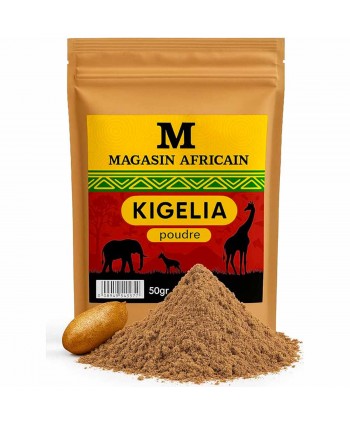
Kigelia powder is a plant-based powder derived from the fruit of Kigelia africana, an iconic African tree used in traditional beauty rituals.
Net weight: 20 g. Palm
pollen boosts fertility, a fact that has been scientifically proven
. It offers numerous health benefits.
Pure Black Cumin Oil for Consumption from Ethiopia, Tested at 99%
Purity, 60ml Bottle
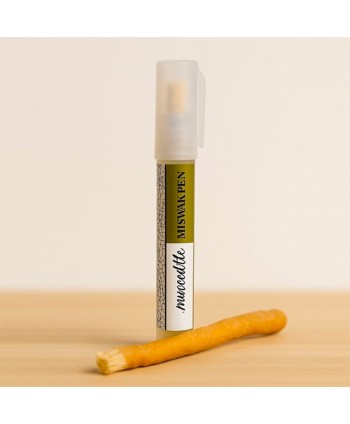
The siwak, also known as souak or miswak, is a natural toothbrush that has been used for thousands of years for oral hygiene. Its growing popularity stems not only from its many health benefits but also from its lower environmental impact compared to traditional toothbrushes.
Castor oil, widely known by that name in English, is an oil that has been used since ancient times and offers numerous benefits. It is a non-edible vegetable oil used primarily in cosmetics, but also in the medical field.