 Français
 English
 Español
 Italiano
 Deutsch
 Nederlands
 Português PT
Reference: MT-REF-324
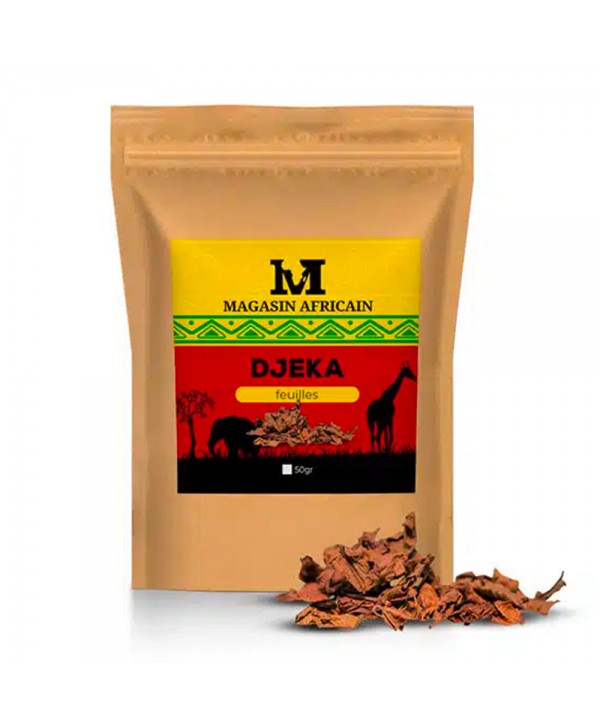
Djeka leaves, native to West Africa, are known for their many medicinal properties, particularly in the area of women’s health. Used for centuries in traditional medicine, they offer a variety of benefits ranging from itch relief to the management of menstrual disorders. This article takes an in-depth look at the various aspects and uses of djeka leaves.
Djeka leaves come from plants commonly known as “djeka” or “Kigelia africana.” This species is commonly found in tropical Africa or in online African stores, where it grows naturally and is cultivated for its medicinal properties.
Kigelia africana is known not only for its leaves but also for its fruits and bark, which also possess therapeutic properties.
Relief from skin problems such as itching
Traditional use in treating infections
Use in postpartum care
Used in short massages to relax sore muscles
Women use djeka leaves for their ability to reduce pain and discomfort associated with menstruation. These leaves help regulate irregular menstrual cycles and alleviate cramps thanks to their active compounds.
Relief of menstrual pain
Reduction of excessive bleeding
Promotion of a regular cycle
The leaves have a beneficial effect on the uterus and pelvic muscles. They are often used after childbirth to help strengthen the uterine muscles and prevent uterine prolapse.
In addition, they serve as a natural remedy for various vaginal conditions such as infections and unpleasant odors.
Toning of uterine muscles
Prevention of vaginal infections
Elimination of unpleasant odors
To maximize the benefits of these leaves, they can be prepared as an infusion or decoction. Simply boil the leaves in water for a few minutes and drink this regularly.
The infusion can also be used as a bath solution for women to treat vaginal irritation and itching.
Prepare an infusion with a few leaves in hot water
Drink daily for a regulating effect on the menstrual cycle
Use the infusion for sitz baths in case of irritation
Djeka leaves can be used as poultices to soothe muscle and joint pain. Applying macerated leaves to the affected area helps reduce tension and inflammation.
Other forms, such as powdered or capsule dietary supplements, are also available for those who prefer a more convenient way to consume it.
Compared to other natural remedies such as ginger or turmeric, djeka leaves offer an interesting alternative, especially for women’s health. They do not have the same drug interactions and are widely available in African culture.
Although generally well-tolerated, djeka leaves may cause allergic reactions in some people. It is always advisable to test a small amount before beginning continuous treatment.
Possible skin irritation with topical application
Rare but possible allergies with oral consumption
It is best to consult a healthcare professional before starting to use djeka leaves, especially for pregnant women or those with specific medical conditions.
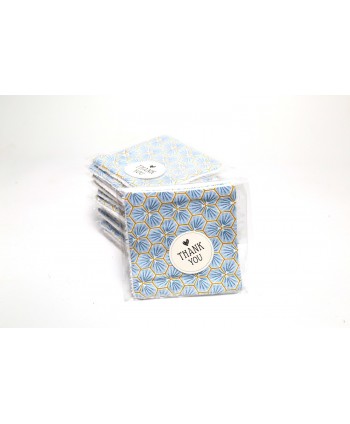
Eco-friendly, washable, and reusable wipes that produce zero waste
; they can be used to apply thick musk, as makeup remover wipes, or as washable baby wipes.
The front side is made of washcloth-type fabric. Application
tip: Moisten the wipe, add a few drops of musk, and apply.
Eco-friendly, washable, and reusable wipes—zero waste
WARNING: NON-CONTRACTUAL IMAGE
Can be used as a wipe to apply thick musk, as a makeup remover wipe, or as a washable baby wipe.
The front side is made of washcloth-type fabric Application
tip: dampen the wipe, add a few drops of musk, and apply
Evening primrose oil. Certified organic by the Soil Association.
Our cream for enhancing the breasts and buttocks is a wonderful blend of several natural ingredients, each with firming and moisturizing properties.
The collé serré plant is often overlooked despite its exceptional benefits. Native to West Africa, this exotic plant has a wide range of uses, from feminine hygiene to its well-known aphrodisiac properties.
Vetiver stalks, also known as "khamaré," come from the plant Vetiveria zizanioides, a tropical grass native to India.