 Français
 English
 Español
 Italiano
 Deutsch
 Nederlands
 Português PT
Reference: MT-REF-352
The siwak, also known as souak or miswak, is a natural toothbrush that has been used for thousands of years for oral hygiene. Its growing popularity stems not only from its many health benefits but also from its lower environmental impact compared to traditional toothbrushes.
However, transporting and storing a siwak in good condition requires certain precautions, which is why a good protective case is so important. Let’s explore together how a siwak case protects this traditional accessory while also being practical and eco-friendly.
A siwak case is primarily used to keep the natural siwak clean between uses. Without proper protection, your siwak could end up with unwanted particles stuck to it. With a protective case, you can be sure that whenever you want to clean your teeth, your siwak will be free of any impurities.
Additionally, a sturdy case offers extra protection against excessive moisture that could damage the siwak. Proper storage of this traditional tool thus preserves its many benefits and maximizes its effectiveness.
In addition to cleanliness, a siwak case makes it easier to carry your siwak. Designed for easy transport, it fits perfectly in a bag or pocket, ensuring that this eco-friendly toothbrush is always within reach wherever you are. Whether you’re traveling for business or pleasure, having a neatly stored siwak guarantees that you’ll never compromise your oral hygiene routine.
With advancements in design and materials, some cases are now made from bamboo or other eco-friendly materials. This further enhances the eco-friendly aspect of this simple yet essential item.
Choosing the right material for a siwak case is crucial. Many people prefer bamboo for its durability and eco-friendly qualities. Bamboo is known for being sturdy and durable, and most importantly, it is fully biodegradable, ensuring that even your choice of case aligns with your eco-conscious values.
Other common materials include reusable plastic, often designed to offer greater functionality, such as multi-position systems. This type of adjustable case is particularly popular among those who wish to easily adjust the length of the exposed siwak without compromising its protection.
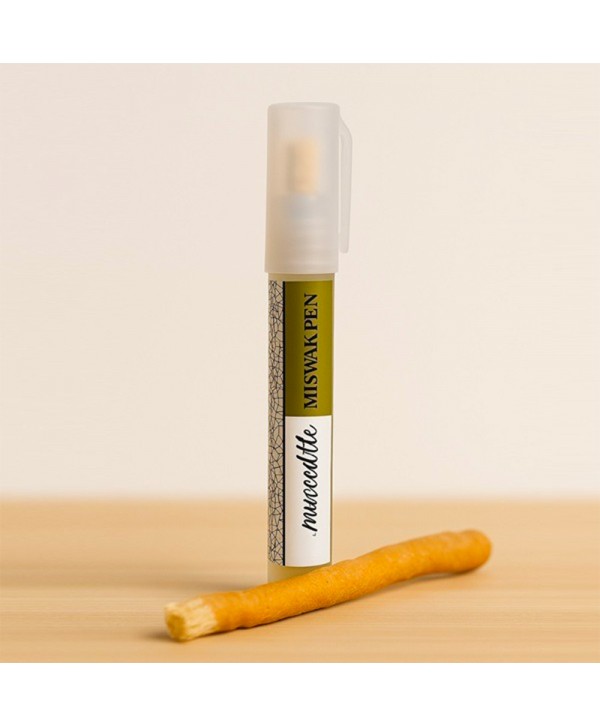
While siwak cases were once purely functional, their designs have evolved. Modern models offer a variety of aesthetics ranging from minimalist to an elegant pen-like shape. They not only protect your siwak but also turn it into a truly stylish accessory on the go.
Some cases also feature smart ventilation systems to ensure the siwak stays fresh between uses. With such innovations, carrying a siwak becomes both practical and stylish.
With so many options available, selecting a siwak case can seem complicated. Here are some essential criteria to consider to make the best choice:
| Material | Advantages | Disadvantages |
|---|---|---|
| Bamboo | Durable, biodegradable, aesthetically pleasing | May be more expensive |
| Reusable plastic | Affordable, lightweight, adjustable | Less eco-friendly |
| Vegan leather | Stylish, durable | Not waterproof |
A siwak case is essential for maintaining the hygiene of your siwak by protecting it from dirt and moisture. Plus, it makes it easy to carry safely, so you can take it with you wherever you go without any worries.
Bamboo is the most eco-friendly material for a siwak case. It is durable, fully biodegradable, and sourced from renewable resources, ensuring minimal environmental impact.
Yes, many modern models are designed specifically for travelers. These cases are lightweight, compact, and feature unique design elements such as multi-position systems to facilitate compact storage while maintaining optimal protection.
Maintaining a bamboo case is simple. Clean it regularly with a damp cloth to remove any stains or dust. Avoid leaving it submerged in water to extend its lifespan. Thanks to its natural durability, bamboo requires little specific daily care.
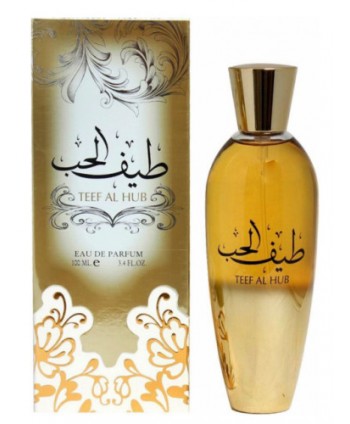
What if passion and charm had a scent? Seduction sometimes comes through a fragrance, a sensation, something unique. If this description sounds like you, then the Teef al hub fragrance might be just the thing for you. Stay tuned, because we’re going to talk about it…
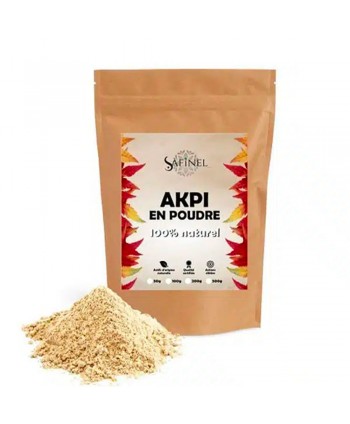
The benefits of Nila powder for the skin are well known. In fact, its skin-brightening, lightening, and moisturizing properties make it an essential skincare product. It is also used on the hair and as a dye and colorant. Here are all the benefits of this powder.
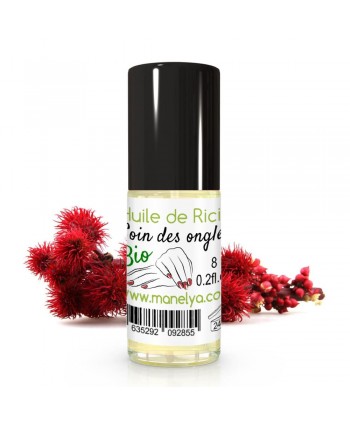
Need to take care of your nails? Check out our natural castor oil today!
Castor oil, widely known by that name in English, is an oil that has been used since ancient times and offers numerous benefits. It is a non-edible vegetable oil used primarily in cosmetics, but also in the medical field.
The siwak, also known as souak or miswak, is a natural toothbrush that has been used for thousands of years for oral hygiene. Its growing popularity stems not only from its many health benefits but also from its lower environmental impact compared to traditional toothbrushes.