 Français
 English
 Español
 Italiano
 Deutsch
 Nederlands
 Português PT
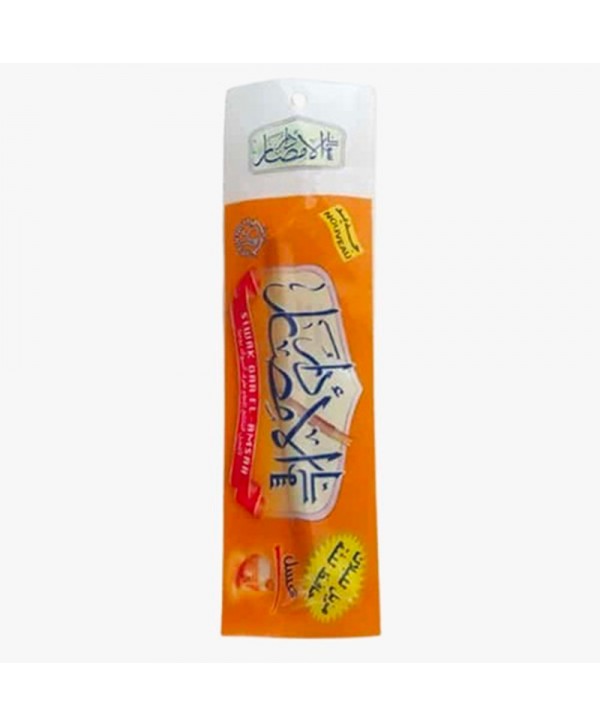
Reference: MT-REF-346
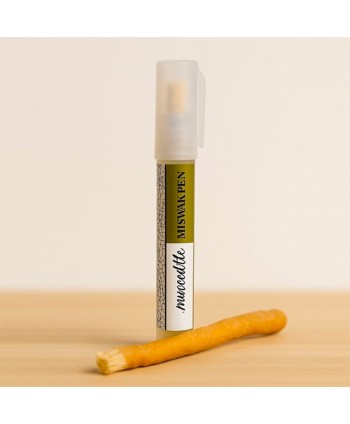
In a world increasingly inclined to embrace natural wellness options, honey-infused siwak stands out as an intriguing and effective alternative to traditional oral care methods. Rooted in the ancient traditions of the Middle East and North Africa, siwak—a small stick meant for chewing—has been used for centuries to keep teeth clean and healthy. But what about a modernized version enriched with the taste of honey? Let’s explore together the many facets and benefits of this innovative combination.
Siwak, also known as meswak or miswak, is a natural stick made from the branch of a tree called Salvadora persica. For centuries, it has been traditionally used in many cultures for its ability to clean teeth without the need for toothpaste. It is this simplicity that makes its use particularly appealing today, as many people seek to reduce their reliance on commercial chemical products.
This small stick is exceptionally effective thanks to its antibacterial, mechanical, and chemical properties. Not only does siwak help remove plaque, but it also promotes fresh, pleasant breath while strengthening teeth and gums.
One of the main reasons for siwak’s enduring popularity lies in its powerful natural antibacterial properties. Siwak extracts have demonstrated their ability to combat the bacteria responsible for cavities and other oral health issues. By incorporating siwak into your daily routine, you benefit from natural protection against these troublesome microscopic invaders.
But that’s not all! In addition to killing harmful bacteria, siwak naturally stimulates saliva production, which plays a crucial role in preventing cavities and other oral health issues.
Regular cleaning with siwak does more than just ensure oral hygiene: it also helps strengthen teeth and gums. Thanks to the substances found in Salvadora persica wood, siwak promotes the remineralization of tooth enamel. Regular use helps ward off the risks of tooth weakening, often associated with aging or excessive consumption of acidic foods.
At the same time, the gums also benefit when siwak is used correctly. The gentle scrubbing motions lightly massage the gums, increasing blood circulation and potentially reducing inflammation.
With all the benefits offered by traditional siwak, why add honey to the mix? Honey is not just a simple natural sweetener; it also possesses exceptional benefits for oral health. Long known for its antibacterial and anti-inflammatory properties, this golden substance is used to treat various ailments.
By adding a sweet and delicious flavor to your siwak, the experience becomes not only enjoyable but even more beneficial. If you’ve always hesitated to try this historic dental cleaning method, honey-flavored siwak might just change your perspective and easily become part of your routine.
The distinct and mild flavor of honey encourages more people to adopt siwak. While it can sometimes be difficult to incorporate new habits—especially those related to personal hygiene—a pleasant taste can truly make a difference, encouraging faster and wider adoption among both young people and adults.
For those who prefer to avoid commercial toothpastes—which are often too minty or harsh—the warm aroma of honey is an appealing alternative that encourages many users to happily explore natural practices.
The combination of siwak and honey is not simply a matter of taste; it is a promise of improved oral health. Each component works in harmony to provide a comprehensive solution to the daily oral challenges we face. Together, they form a powerful protective barrier against harmful microorganisms while soothing gums and delicate tissues.
This means fewer unexpected trips to the dentist and more time spent peacefully enjoying a variety of foods without significant worry about our precious smile.
It can be helpful to compare siwak and modern solutions to better understand their differences. Let’s take a critical look at the benefits of each option.
| Appearance | Siwak | Conventional Toothpaste |
|---|---|---|
| Ingredients | Natural, plant-derived | Synthetic, often with artificial ingredients |
| Antibacterial properties | Natural, thanks to Salvadora persica extracts | Chemical, based on added antibacterial agents |
| Risk of sensitivity | Low risk, gentle on gums | May be irritating to some individuals |
| Taste | Pleasant, especially with honey-flavored siwak | Varies depending on the type of toothpaste |
This analysis highlights how siwak appears to be a truly interesting natural alternative, especially when the goal is to minimize the use of chemicals in daily life.
If you’re curious to try honey-flavored siwak, here are some practical tips to fully reap its benefits. This wise choice, combined with certain techniques, ensures optimal care.
Preparation: Dip the tip of the siwak in water to soften its fibers before use. This will make brushing easier.
Technique: Gently brush your teeth using circular motions. Don’t neglect the areas near the gums.
Storage: Between uses, trim the used end to expose fresh, active fibers.
Care: Store it in a breathable case to prevent mold caused by moisture.
This simple approach can potentially maximize the effectiveness of siwak while maintaining its unique natural flavors.
Siwak works primarily through the mechanical action of friction and the natural chemical properties found in Salvadora persica wood. Just like modern toothbrushes, it aims to remove plaque and maintain optimal oral health. However, unlike conventional methods, it uses no added chemicals.
Yes, siwak is designed for regular use, even several times a day after meals. Consistent use will effectively help maintain your oral hygiene while giving you fresh, pleasant breath. To enhance this effect, try the honey-flavored version!
Start by purchasing a high-quality siwak, specially infused with honey. Soak the tip in warm water to soften the fibers before use. Brush gently and methodically to fully experience its benefits.
Remember to alternate sides of the stick with each use.
Clean the siwak regularly to ensure maximum cleanliness.
Store it away from excessive moisture, which could affect its effectiveness.
While siwak is generally safe for most people, those with specific conditions such as honey allergies or increased tooth sensitivity should consult their dentist before using it. Additionally, use moderate pressure when brushing to avoid unnecessary irritation.
Some benefits:
Evening primrose oil. Certified organic by the Soil Association.
The siwak, also known as souak or miswak, is a natural toothbrush that has been used for thousands of years for oral hygiene. Its growing popularity stems not only from its many health benefits but also from its lower environmental impact compared to traditional toothbrushes.
Oud Motlak is a warm, oriental fragrance with real character! With its powerful patchouli notes combined with the coppery, spicy notes of cardamom in the top notes, sandalwood in the heart notes, and cedar in the base notes, this fragrance stands out—and so do you.
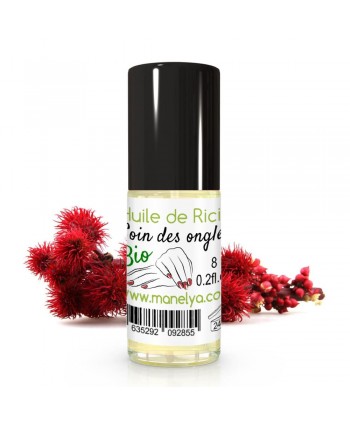
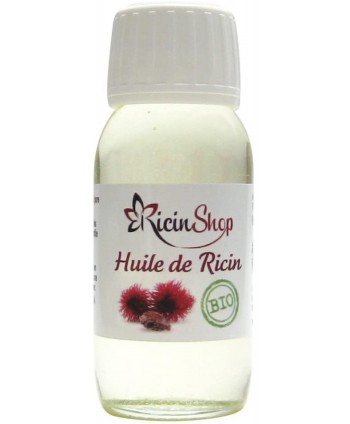
Need to take care of your nails? Check out our natural castor oil today!