
 Français
 English
 Español
 Italiano
 Deutsch
 Nederlands
 Português PT
Reference: MT-REF-119
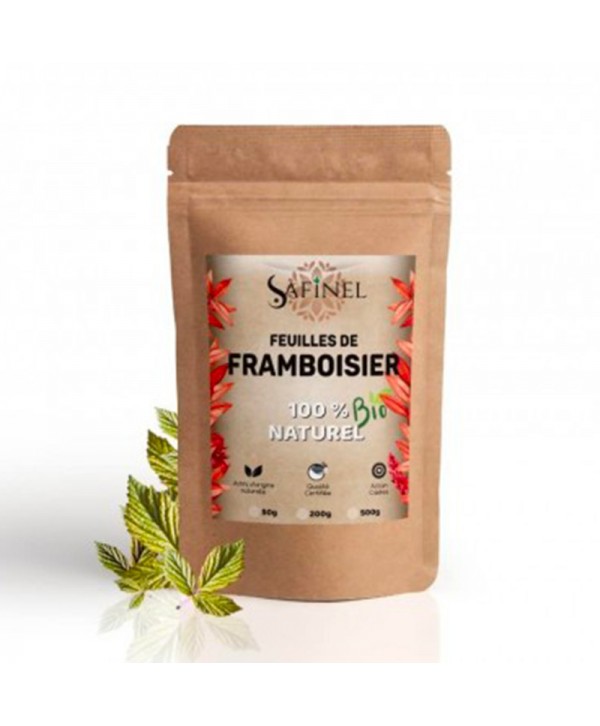
Raspberry leaves are renowned for their many benefits, particularly in the areas of beauty and intimate hygiene. This botanical treasure remains largely unknown to the general public, even though it has been part of traditions used by our ancestors for centuries.
Raspberry leaves are renowned for their many benefits, particularly in the areas of beauty and intimate hygiene. This botanical treasure remains largely unknown to the general public, even though it has been part of traditions used by our ancestors for centuries. In this article, we’ll explore the characteristics of these leaves and their benefits for health and intimate well-being.
The raspberry bush, or Rubus idaeus, is a perennial shrub belonging to the Rosaceae family. It is found primarily in Europe, Asia, and North America. Its juicy, sweet fruit is prized for its delicious flavor, but it is the leaves that have caught our attention here. In fact, they contain numerous active compounds beneficial to health, such as vitamins, minerals, and tannins.
Raspberry leaves are rich in nutrients and active compounds whose positive health effects are well established:
Vitamin C: It promotes better iron absorption and boosts the immune system.
B vitamins: They contribute to proper metabolic function, energy production, and nervous system regulation.
Magnesium and potassium: these minerals are essential for maintaining the body’s electrolyte balance and preventing cramps.
Tannins: They possess astringent and anti-inflammatory properties that help strengthen skin and mucous membranes.
Thanks to their high content of vitamins, minerals, and active ingredients, raspberry leaves are a valuable ally for pampering our bodies and maintaining our intimate health. Here are some of their properties:
The tannins in raspberry leaves provide astringent and anti-inflammatory effects, helping to tone and firm the mucous membranes in the intimate area. These properties also help relieve irritation and itching often associated with unbalanced or improper intimate hygiene. In addition, the vitamins and minerals present promote healing and cellular regeneration.
The vitamins and minerals found in raspberry leaves are also beneficial for our skin. They promote cell renewal, elasticity, and firmness while protecting the skin from external aggressors (pollution, stress, etc.). Furthermore, thanks to their astringent and anti-inflammatory properties, they help reduce the appearance of skin imperfections such as redness, pimples, or other blemishes.
Now that you know the power of raspberry leaves, it’s time to discover how to incorporate them into your beauty and intimate care routine:
One of the simplest ways to consume raspberry leaves is to brew them as a herbal tea. To do this, boil water and then let a few leaves steep for about 10 minutes. You’ll get a very aromatic and slightly bitter infusion, perfect for a relaxing moment packed with benefits.
To relieve skin irritation and itching, make a poultice with raspberry leaves. Boil them in a little water before draining and placing them on the affected areas. Let sit for a few minutes, then rinse with warm water.
Use your raspberry leaf tea to prepare a natural, soothing intimate hygiene lotion. Simply mix a few drops of essential oil (such as lavender or tea tree essential oil) with your tea, then store the mixture in a spray bottle. This lotion can be applied daily after washing, taking care to dry thoroughly afterward.
Beyond their well-known medicinal benefits, raspberry leaves also offer beneficial properties for our beauty and intimate hygiene. Easy to use and versatile, they can be incorporated into our daily routine in various forms, such as infusions, poultices, or lotions. By offering our bodies and our intimate areas the natural benefits of this botanical treasure, we contribute to their balance and optimal health.
Fragrance notes:
Top notes: Fruity notes, Orange.
Middle notes: White flowers.
Base note: Musk. Gender: Unisex.
Enjoy the full quality of Tahara musk from the Saudi brand Surrati, the renowned perfumer based in Mecca.
Enjoy the full quality of Tahara musk from the Saudi brand Surrati, the renowned perfumer based in Mecca.
Ingredients listed in order of composition: Red clover + raspberry + chaste tree + Jericho rose (chajarat mariam).
Directions for use: Bring 1.5 liters of water to a simmer and steep 20 g of the herbal blend for about ten minutes or longer. Drink one cup in the morning on an empty stomach and one cup before bedtime. For a single 250 ml mug of water, add about one tea ball of the mixture (3 or 4 g).
Use for 1 to 3 months, even during menstruation, as it helps rebuild the uterine lining and regulate the cycle.
Store in a cool, dry place away from light. 100-g bag / allow 2 bags for a course of treatment
Directions:
Steep 1 tbsp. (approx. 4 g) in 250 ml of hot water for 5 to 10 minutes.
Drink 1 to 2 cups per day. Course of treatment: 2 weeks, repeatable after a break.
Raspberry leaves are renowned for their many benefits, particularly in the areas of beauty and intimate hygiene. This botanical treasure remains largely unknown to the general public, even though it has been part of traditions used by our ancestors for centuries.


