
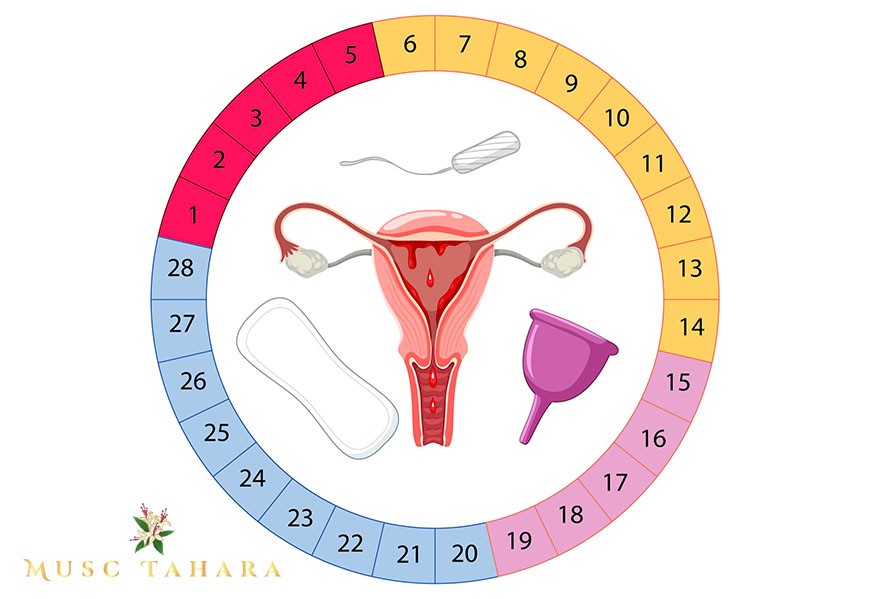
The menstrual cycle is a natural process that occurs every month in women of childbearing age. It involves a series of hormonal changes that take place in the body, designed to prepare the body for a potential pregnancy. However, these hormonal fluctuations can also affect various aspects of women’s intimate lives, such as sexual desire, mood, and overall well-being. Today, we’ll discuss the different phases of the menstrual cycle and their effects on women’s intimacy.
Understanding the Different Phases of the Menstrual Cycle
The menstrual cycle consists of three main phases: menstruation, ovulation, and the luteal phase. Each of these stages is marked by specific hormonal changes that affect women’s bodies and emotions.
Menstruation: This is the first stage of the menstrual cycle. During this phase, the endometrium (the lining of the uterus) sheds and is expelled as vaginal bleeding. Estrogen and progesterone levels are at their lowest during this period, which can lead to symptoms such as cramps, fatigue, mood swings, and a decrease in sexual desire.
Ovulation: Ovulation is the release of a mature egg from the ovary, typically in the middle of the menstrual cycle. This phase coincides with a peak in the production of estrogen and luteinizing hormone (LH), which stimulate libido and increase sexual desire. Ovulation is also associated with increased vaginal lubrication and heightened sensitivity of the genital organs.
The luteal phase: After ovulation, estrogen levels decrease while progesterone levels increase. This phase lasts until the start of the next period if fertilization does not occur. Premenstrual symptoms (PMS) are common during this time, such as irritability, depression, fatigue, headaches, and breast tenderness.
Menstrual Cycles and Female Intimacy
As mentioned earlier, the hormonal fluctuations that accompany each phase of the menstrual cycle affect various aspects of female intimacy. Here are some of these effects:
Sexual desire: Sexual desire varies throughout the menstrual cycle, depending on hormone levels in the body. Generally, libido is higher during the ovulation phase, thanks to rising levels of estrogen and LH. However, some women may also experience an increase in sexual desire just before or during their period, due to the hormonal fluctuations occurring at that time.
Mood and emotional well-being: Hormones play a key role in regulating mood and emotions. Fluctuations in these chemicals throughout the menstrual cycle can cause mood swings, irritability, depression, and anxiety in some women. These emotional fluctuations can affect quality of life and female intimacy, particularly by making sexual intercourse less enjoyable or more difficult.
Physical comfort: Physical symptoms associated with the different phases of the menstrual cycle, such as cramps, fatigue, headaches, and breast tenderness, can make sexual intercourse uncomfortable or painful. In some cases, these discomforts can even lead to a decrease in sexual desire.
Vaginal lubrication: Vaginal secretions are influenced by hormone levels in the body. Thus, during certain periods of the menstrual cycle, women may experience vaginal dryness, while at other times they may benefit from increased lubrication. This variation can impact the pleasure experienced during sexual intercourse and female intimacy in general.
How can we better manage the impact of menstrual cycles on female intimacy?
Although the hormonal fluctuations that accompany the menstrual cycle are inevitable, there are several strategies to better manage their impact on female intimacy:
Get to know your body: It is essential to understand how your menstrual cycle works. Pay attention to your body’s signals to better anticipate and manage the effects of the cycle’s different phases on intimacy.
Maintain a healthy lifestyle: Adopt a healthy lifestyle, including a balanced diet. Regular physical activity and sufficient sleep can help alleviate certain symptoms related to the menstrual cycle and improve overall well-being.
Consult a healthcare professional: if symptoms associated with the menstrual cycle are particularly severe or significantly impair your quality of life and intimacy, it may be necessary to consult a doctor or specialist to obtain appropriate treatment.
In summary, menstrual cycles significantly influence women’s intimacy due to the hormonal fluctuations that accompany them. By getting to know your body and adopting certain strategies to better manage these fluctuations, it is possible to improve your quality of life and enjoy a more fulfilling sex life despite the challenges posed by menstrual cycles.